AC Installation Cost in Texas Explained
AC installation cost in Texas depends on whether the home already has usable ductwork, required cooling capacity, equipment efficiency, electrical work and the complexity of installing the indoor and outdoor equipment. A completely new central-air installation can cost more than replacing an existing system in the same location.
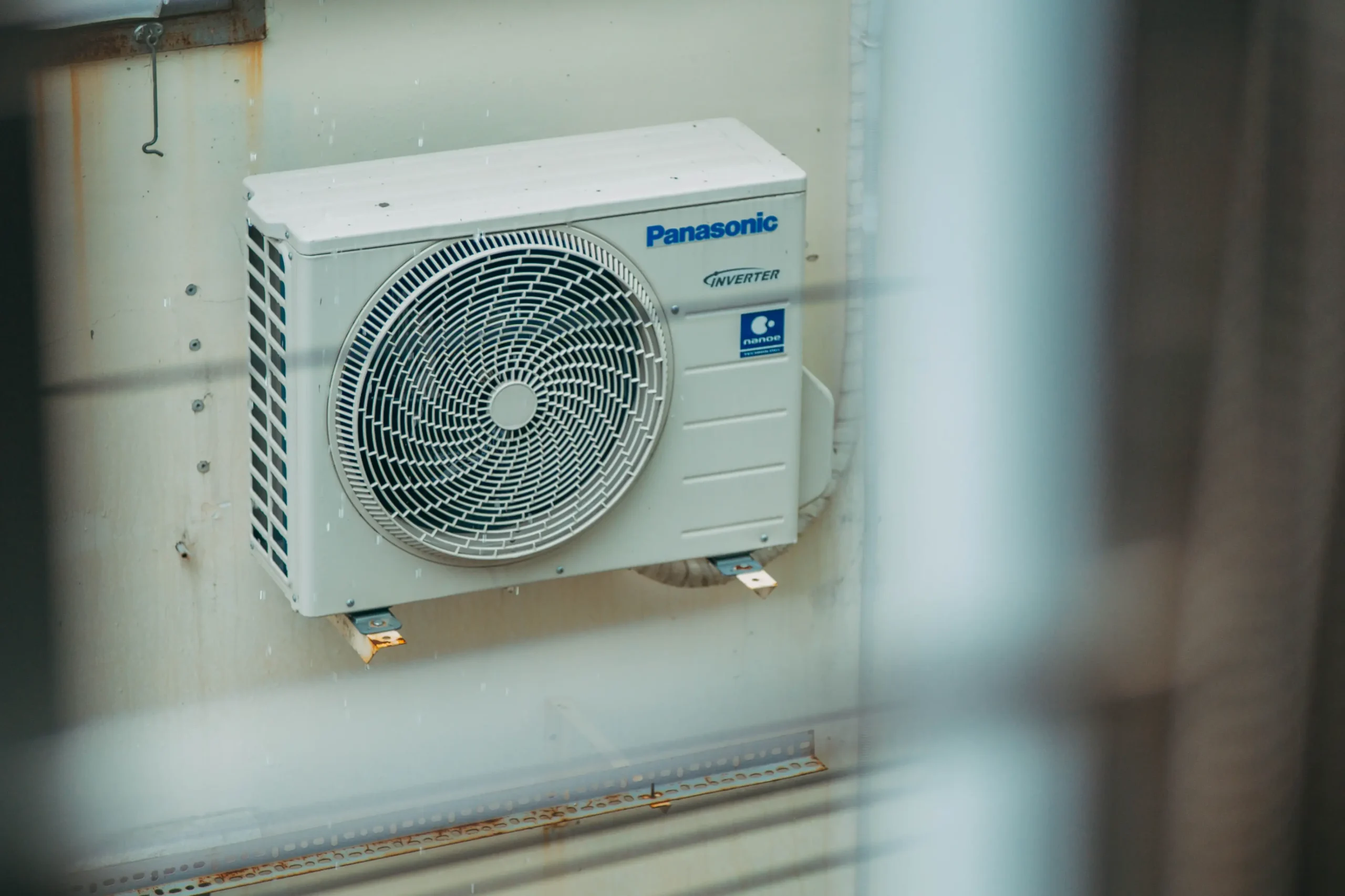
What does a new AC installation usually include?
This guide belongs to our HVAC Costs hub, where installation is separated from repair, replacement and maintenance.
Current national benchmarks put professionally installed central AC in roughly the $3,900 to $7,900 range in many standard projects, while HomeGuide publishes about $5,000 to $8,300 when suitable ductwork already exists.
A home without an existing forced-air distribution system can require thousands more in duct installation. Compare that work with the ductwork replacement cost guide .
If you are replacing a working or failed central AC rather than adding central air for the first time, use the AC replacement cost in Texas guide instead.
Published central AC installation benchmarks.
These are national budgeting references, not fixed Texas contractor prices.
Angi's current professional central-air installation benchmark.
HomeGuide's current benchmark when usable ductwork is already present.
Angi's broader planning range when adding central air to older ductless homes.
ENERGY STAR recommends determining equipment size from the home's actual characteristics. Oversized equipment can cycle excessively and reduce comfort.
What can change a Texas AC installation quote?
Cooling load and equipment size
Capacity affects equipment cost, but equipment should still be sized to the property. Use our HVAC size calculator only as a preliminary estimate.
SEER2 rating
Higher-efficiency equipment can cost more upfront. Compare estimated operating differences with the SEER2 savings calculator.
Duct system condition
New equipment cannot correct poorly sized, leaking or damaged ducts. Review duct sizing when distribution changes are part of the project.
Electrical requirements
Disconnects, breakers, wiring and service capacity can add work depending on the existing property.
Equipment configuration
Indoor coil, air handler, furnace compatibility and controls influence whether the installation is a simple equipment addition or a broader HVAC project.
Installation quality
Proper airflow and refrigerant charge affect performance. ENERGY STAR specifically calls out both during quality installation.
Separate equipment price from the full project scope.
Compare replacement pricing
If your home already has central AC, review AC replacement costs before using a new-installation benchmark.
Check total HVAC costs
Return to the HVAC Costs hub for repair, maintenance, compressor, refrigerant and heat-pump costs.
Estimate equipment budget
Use the HVAC replacement cost calculator for preliminary equipment and installation budgeting.
Compare payback
If considering a more expensive efficiency tier, use the HVAC payback calculator.
Current sources behind these planning ranges.
Angi Central AC Installation
Angi currently publishes central AC installation around $3,900 to $7,900 depending on the home's setup. Review Angi.
HomeGuide Central Air
HomeGuide currently lists about $5,000 to $8,300 when existing ductwork is available. Review HomeGuide.
ENERGY STAR Installation Guidance
ENERGY STAR emphasizes proper sizing, airflow, refrigerant charge and duct evaluation. Review ENERGY STAR.
Texas Licensing
Texas regulates air-conditioning and refrigeration contractors. Review TDLR.
Planning a new AC installation in Texas?
Request HVAC help and provide your city or ZIP and whether the property already has central ductwork.
Common questions about Texas AC installation costs.
How much does central AC installation cost?
Current national benchmarks commonly fall around $3,900 to $8,300 when the property already supports a standard central-air installation.
Why does adding central air cost more in some homes?
Homes without suitable ducts may need a new distribution system, adding substantial material and labor cost.
Does a higher SEER2 AC cost more?
Higher-efficiency equipment can have a higher upfront price, although expected operating cost may also differ.
Is AC installation the same as AC replacement?
Not always. Replacement generally uses an existing HVAC configuration, while new installation may require ducts, electrical work or new supporting equipment.
Does ductwork come with an AC installation?
Not automatically. Major ductwork is often a separate project or line item.
Can an online calculator give an exact installation price?
No. Calculators provide planning estimates. Final cost requires equipment selection and an actual property assessment.
Return to the HVAC Costs hub for repair, replacement, maintenance, compressor, refrigerant, ductwork and heat-pump pricing.