Best AC Temperature for Texas Summer
The best AC temperature for Texas summer is not one universal number. DOE guidance is to set the thermostat as high as is comfortably possible during cooling season. Comfort, indoor humidity, occupancy, sleep preferences, home construction and HVAC performance all affect the setting that works in a particular home.
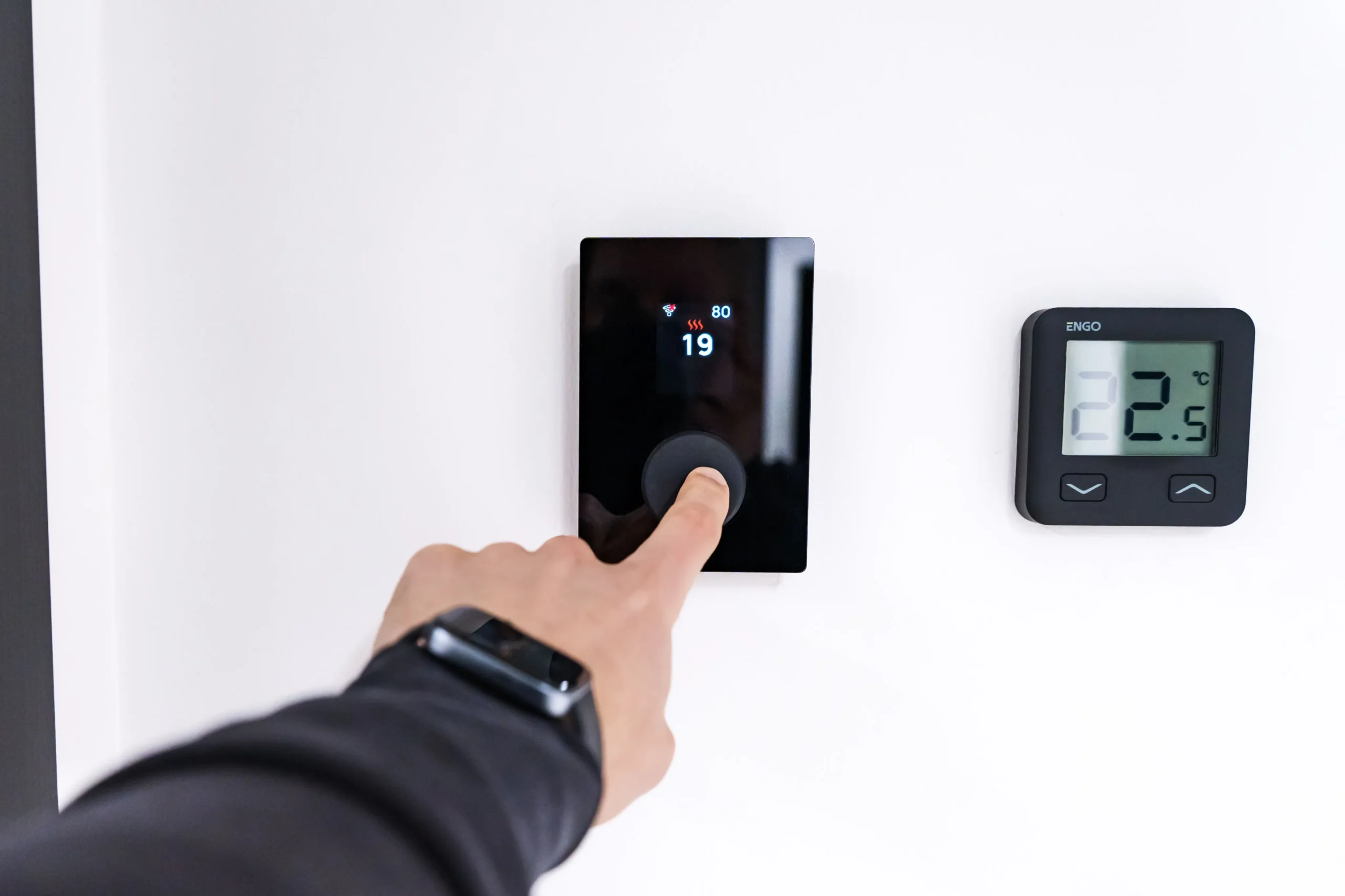
Use the highest setting that remains comfortable for your household.
This guide is part of the HVAC Guides hub.
DOE recommends minimizing the temperature difference between indoors and outdoors because a smaller difference generally reduces cooling demand.
Rather than chasing one internet temperature, make small adjustments and monitor comfort, humidity and runtime. Use the thermostat savings calculator to model different settings.
If the thermostat itself seems inaccurate or unresponsive, use the thermostat troubleshooting guide.
Adjust the thermostat around how the home is actually used.
When people are home
Choose the warmest cooling setpoint that remains genuinely comfortable instead of forcing one published number onto every household.
When the home is empty
Allowing the temperature to rise while away can reduce cooling demand. Smart scheduling can automate these changes.
At night
Sleep comfort varies. Use gradual changes rather than extreme setbacks that create discomfort or a long recovery period.
Use fans for people, not empty rooms
Fans can improve perceived comfort when occupants are present, potentially allowing a higher thermostat setting.
Watch humidity
A thermostat setting that produces poor moisture control may feel uncomfortable even if the temperature number appears acceptable.
Track electricity use
Estimate changes with the monthly HVAC energy cost calculator.
DOE specifically advises against setting the thermostat colder than normal when switching the AC on because it can lead to unnecessary cooling and expense.
Long runtime can indicate load or HVAC performance issues.
AC runs continuously
Review the AC keeps running guide if the system rarely shuts off.
Electricity bill jumps
Compare symptoms with the high HVAC electric bill guide.
Interested in automation
Estimate potential value with the smart thermostat ROI calculator.
Seasonal system preparation
Follow the Texas HVAC maintenance checklist before peak cooling demand.
Cooling recommendations from DOE and ENERGY STAR.
DOE Cooling Guidance
DOE recommends setting cooling as high as comfortably possible in summer. Review DOE guidance.
ENERGY STAR Maintenance
Thermostat settings and HVAC controls are part of proper maintenance. Review checklist.
ENERGY STAR Smart Thermostats
Certified smart thermostats are evaluated for energy-saving functionality. Review smart thermostats.
Thermostat reasonable but the home still will not stay comfortable?
Request HVAC help and provide your city or ZIP, thermostat setting and what the AC is doing.
Common thermostat-setting questions.
Is 78°F the required summer thermostat setting?
No. There is no universal required comfort setting. DOE's broader guidance is to set cooling as high as comfortably possible.
Does setting the AC to 65°F cool the house faster?
No. DOE advises that setting the thermostat colder than normal does not make the AC cool the home faster.
Should I raise the thermostat when nobody is home?
Allowing the indoor temperature to rise while the home is unoccupied can reduce cooling demand.
Can a ceiling fan let me use a higher setting?
Fans can improve perceived comfort for people in the room, but they do not lower room temperature.
Why does my AC struggle despite a normal thermostat setting?
High heat load, dirty filters, airflow problems, equipment issues or building-envelope conditions can all contribute.
How can I estimate thermostat savings?
Use the thermostat savings calculator for a planning estimate.
Return to the HVAC Guides hub.