Why Is My HVAC Electric Bill So High?
A sudden increase in cooling or heating costs can come from longer runtimes, thermostat changes, dirty filters, airflow problems, dirty coils, refrigerant issues, duct leakage, weather changes or aging equipment.
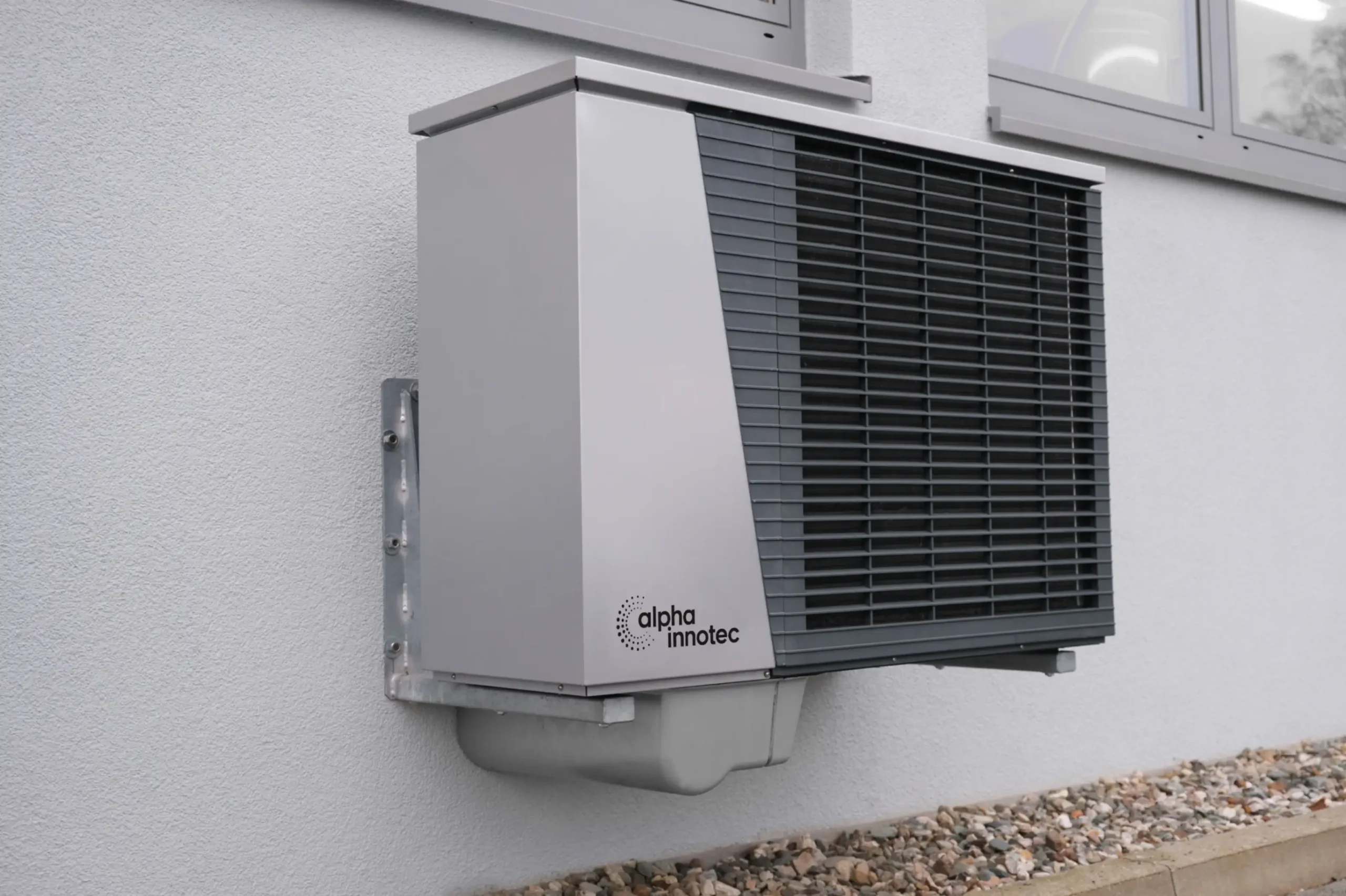
Start by confirming whether the HVAC system is actually using more energy.
If your main problem is cooling performance rather than cost, return to the HVAC Problems troubleshooting hub to compare common HVAC symptoms.
A higher electricity bill can reflect more HVAC runtime, but it can also come from hotter weather, rate changes, additional appliances, occupancy changes or other household electricity use.
The most useful HVAC clue is a change in system behavior. If the AC now runs almost continuously, compare the pattern with our AC keeps running guide .
If the thermostat reading, schedule or setpoint has changed, review our thermostat troubleshooting guide before assuming the equipment itself is inefficient.
Compare the bill, weather and system behavior together.
If your utility bill shows electricity consumption, compare kWh with prior periods. A higher dollar amount can come from greater usage, different rates or both.
Hotter outdoor temperatures generally increase cooling demand. Compare similar seasonal periods before deciding the HVAC system suddenly became inefficient.
Longer runtime, weaker airflow, poor cooling or repeated cycling provide stronger HVAC clues than the bill alone.
What HVAC problems can increase electricity use?
Higher HVAC energy use often comes from reduced efficiency or longer operating time rather than one single failure.
Dirty Air Filter
ENERGY STAR notes that dirty filters slow airflow, make equipment work harder and increase energy costs. Check the filter and use the HVAC filter change calculator for a replacement-frequency starting point.
Dirty Indoor or Outdoor Coils
Dirty evaporator and condenser coils reduce cooling ability and can make the system run longer, increasing energy use.
Poor HVAC Airflow
Blower problems, filter restriction or other airflow issues can reduce system efficiency. If vent airflow is noticeably weak, review the weak airflow troubleshooting guide .
Refrigerant Charge Problem
ENERGY STAR notes that too much or too little refrigerant can reduce efficiency and increase energy costs. Proper refrigerant diagnosis requires qualified HVAC testing.
Duct Leakage
Conditioned air lost through leaking ducts can increase the amount of heating or cooling the equipment must provide. Review the HVAC ductwork guide if comfort varies significantly between rooms.
Thermostat Settings
A lower cooling setpoint, schedule change or thermostat reading problem can extend runtime. Even a functioning HVAC system can use more electricity when asked to maintain a more demanding temperature.
HVAC Runs Longer Than Before
Long runtime can result from hot weather, dirty equipment, airflow problems, refrigerant issues, building heat gain or equipment capacity. The cause matters more than runtime alone.
Aging or Lower-Efficiency Equipment
Older equipment may have lower rated efficiency than newer systems, but age alone does not prove replacement is justified. Condition, repair cost, actual energy use and installation quality should be considered together.
What can you check before assuming the HVAC system needs replacement?
Check equipment behavior
- Note whether heating or cooling runtime has increased.
- Check the HVAC filter for heavy restriction.
- Confirm thermostat mode, schedule and temperature setting.
- Compare airflow from several supply vents.
- Note whether the home reaches the thermostat setpoint.
Check the bill context
- Compare electricity usage with the same season last year if available.
- Check whether electricity rates changed.
- Compare recent outdoor temperatures.
- Consider new appliances or household usage changes.
- Look for a gradual increase versus one sudden billing spike.
Use energy consumption, equipment runtime, comfort changes and system symptoms together. A sudden HVAC behavior change is more useful diagnostically than cost alone.
Small performance problems can translate into longer HVAC runtime.
ENERGY STAR recommends checking filters, coils, refrigerant level, blower components, thermostat settings, electrical connections and controls during routine HVAC maintenance.
If your system has not been checked recently, review what is typically covered during HVAC maintenance . Maintenance cannot eliminate every repair, but it can identify conditions that reduce performance or increase runtime.
Turn runtime and electricity rates into usable estimates.
Estimate monthly heating and cooling electricity costs with the HVAC monthly energy cost calculator .
Estimate cooling cost using power, runtime and electricity rate with the AC electricity cost calculator .
Estimate potential differences between efficiency ratings with the SEER2 savings calculator .
If you're comparing an older system with a newer one, use the old AC vs new AC cost calculator . For a major repair decision, compare both scenarios using the HVAC repair vs replace calculator .
Airflow, coils, refrigerant and duct leakage can all affect operating cost.
ENERGY STAR Maintenance Checklist
ENERGY STAR says dirty coils can make cooling systems run longer and increase energy costs, while improper refrigerant charge and airflow problems can also reduce efficiency. View the maintenance checklist .
ENERGY STAR Quality Installation
ENERGY STAR identifies poor airflow, incorrect refrigerant charge, improper equipment sizing and duct leakage as conditions that can reduce HVAC efficiency. Review quality installation guidance .
U.S. Department of Energy
DOE's Home Cooling 101 guidance notes that clogged filters reduce air-conditioner efficiency and also identifies thermostat, ductwork and control problems as common cooling issues. View DOE Home Cooling 101 .
HVAC bill jumped along with a change in system performance?
Request HVAC help and provide your Texas city or ZIP, whether runtime has increased and whether cooling, airflow or thermostat behavior has changed.
Common questions about rising HVAC electricity costs.
Why did my HVAC electric bill suddenly increase?
Possible reasons include hotter or colder weather, longer equipment runtime, thermostat changes, dirty filters, dirty coils, airflow problems, refrigerant issues, duct leakage or changes elsewhere in household electricity use.
Can a dirty air filter increase my electricity bill?
Yes. ENERGY STAR states that dirty filters make HVAC equipment work harder and can increase energy costs.
Can dirty AC coils increase energy use?
Yes. ENERGY STAR notes that dirty evaporator and condenser coils reduce cooling ability and cause the system to run longer, increasing energy costs.
Can low refrigerant increase my AC bill?
Incorrect refrigerant charge can reduce cooling efficiency and increase operating cost. Refrigerant issues should be diagnosed by qualified HVAC personnel.
Can leaking ducts make my electric bill higher?
Yes. Conditioned air lost through leaking ducts wastes energy and can force the HVAC system to operate longer to maintain indoor comfort.
Does setting the thermostat lower increase AC energy use?
A more demanding cooling setpoint generally requires the system to remove more heat and can increase runtime, particularly during hot outdoor conditions.
Does a high electric bill mean I need a new AC?
No. A bill alone does not establish that replacement is appropriate. Check weather, rates, runtime, filter condition, maintenance issues and actual HVAC performance before making a replacement decision.
How can I estimate how much my HVAC is costing to run?
Use the HVAC monthly energy cost calculator to estimate operating cost using equipment power, runtime and electricity rate.
Return to the HVAC Problems hub to compare AC not cooling, warm air, long runtime, freezing, weak airflow, thermostat issues, leaks, odors and unusual noises.