Warm supply air
Air from the vents does not feel cool enough after the system has had time to operate.
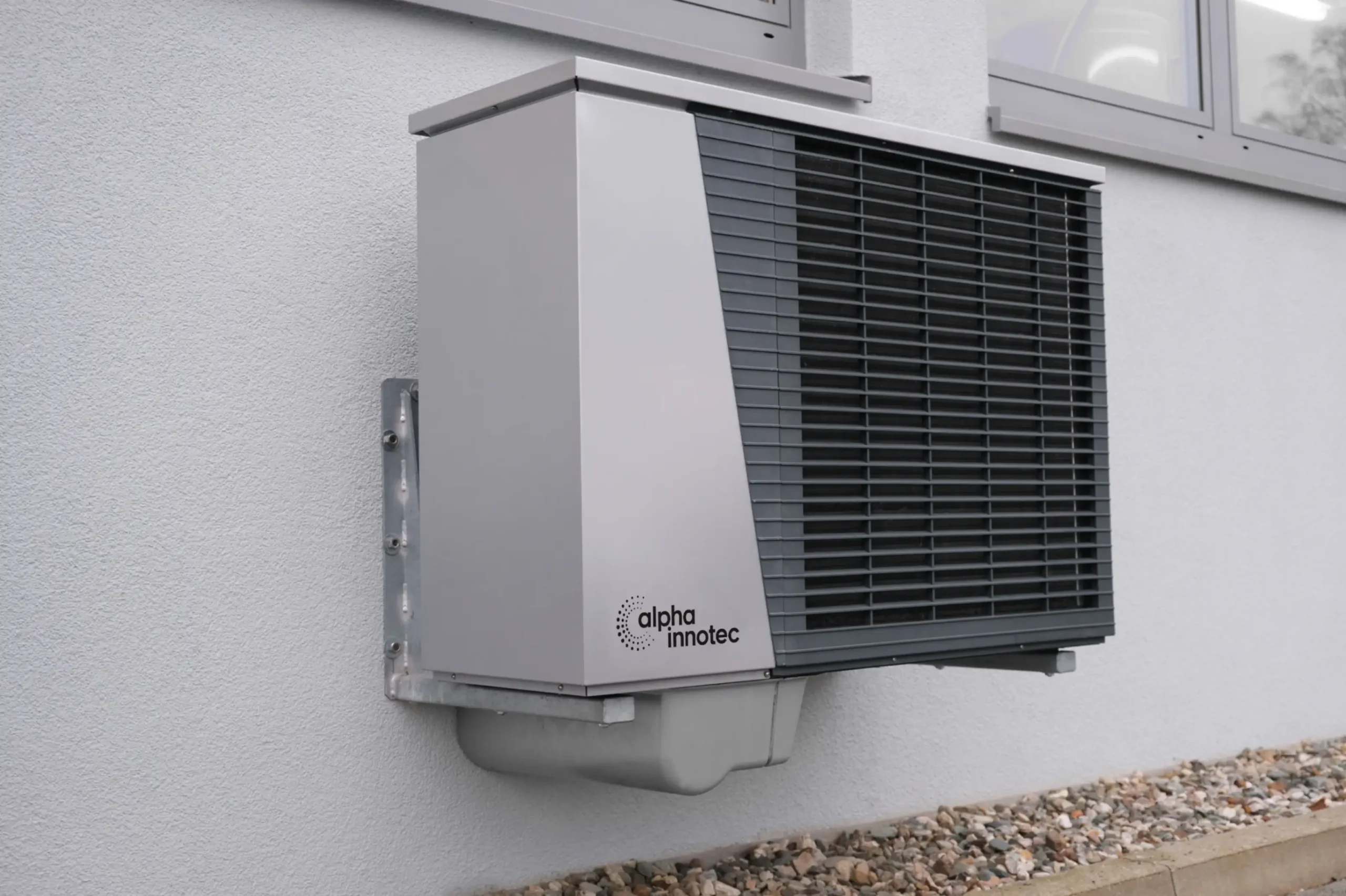
AC replacement should correct known cooling, humidity, airflow and installation problems rather than copy the old equipment automatically. Ask how each proposed system was selected.
HVAC Texas Repair provides homeowner and property-owner information for Texas heating, cooling, airflow and indoor air decisions. This AC replacement page explains safe observations and the questions to ask before approving work.
Use the main HVAC services hub to compare repair, installation, replacement and maintenance topics across the site. The purpose is to organize the request and proposal, not to diagnose electrical, gas or refrigerant faults without qualified help.
Texas cooling performance depends on more than the outdoor unit. Heat gain, attic conditions, duct leakage, airflow, drainage, controls and equipment sizing all affect comfort during long periods of high demand.
These patterns help describe the concern, but they do not identify a cause by themselves.
Air from the vents does not feel cool enough after the system has had time to operate.
The AC runs for extended periods or cannot recover during ordinary conditions.
A wet equipment area, overflowing drain or ice calls for prompt investigation.
Restricted filters, blower issues, duct losses and coil conditions can produce similar symptoms.
The indoor blower may run even when the outdoor equipment is off or struggling.
New buzzing, grinding, hissing, musty odor or burning odor should not be ignored.
Stop and seek appropriate help for smoke, sparking, burning electrical odor, gas odor, a carbon-monoxide alarm or water near live electrical parts. Leave electrical panels, refrigerant circuits, combustion systems and internal equipment repairs to qualified professionals. For symptom-specific reading, see the AC Keeps Running guide.
Replacement is an opportunity to correct sizing, airflow, duct, drainage or control problems that affected the old system. Ask for written options and the assumptions behind each recommendation.
Record condition, failures, comfort complaints, capacity and supporting components.
Do not assume the old equipment size is automatically correct.
Review equipment, efficiency, controls, ducts, electrical work, permits and warranties.
Commission the replacement and retain model, warranty and test information.
The scope may include matched indoor and outdoor equipment, capacity, efficiency, refrigerant lines, ducts, electrical work, drainage, thermostat, permits, warranties and startup testing.
Prices found online are planning references, not local quotes. Access, diagnosis, capacity, equipment match, materials, permits, labor, warranty coverage and scheduling can all affect a proposal. Use the AC Replacement Cost Texas as a benchmark, then compare the actual written scope.
For another planning perspective, review Repair Vs Replace AC. It can help frame equipment-life, maintenance, efficiency or contractor questions before an appointment.
Connected equipment, controls, ducts and building conditions can change the correct next step.
Choose from the diagnosis, design reasoning, written scope and testing plan, not from the headline price alone.
The Texas Department of Licensing and Regulation states that contractors who install, repair or maintain air-conditioning, refrigeration or heating systems must hold a TDLR license.
Review the Texas ACR program and use the TDLR license search.
EPA Section 608 certification requirements apply to technicians who service equipment in ways that could release regulated refrigerants.
Read the EPA refrigerant certification requirements before comparing claims or proposals.
Important: HVAC Texas Repair is an information and service-request resource. It does not claim to directly employ every technician, maintain a physical office in every location or personally perform every service described.
Select the closest service category and enter your city or ZIP code. Describe the main symptom or project, the affected areas and any safety concern.
HVAC service availability varies by location.
Complete the short form below to submit your request.
Submitting this form does not guarantee service availability or create a contractor relationship.
Practical answers for Texas property owners planning the next step.
Confirm the thermostat mode and setpoint, inspect the filter when applicable, note affected rooms, and record water, ice, noise, odor, alerts and recent weather or outage history. Do not open electrical panels or bypass safety controls.
Ask for the diagnosed condition or project assumptions, equipment or materials, labor, related electrical or duct work, permits when required, exclusions, warranty terms and the testing used to confirm completion.
Consider the diagnosis, repair cost, age, warranty, efficiency, comfort, refrigerant situation and failure history. A major repair is a good time to request written repair and replacement scenarios.
Ask for license details and verify them through the Texas Department of Licensing and Regulation. Compare written scope, warranty and testing, not only the headline price.
HVAC Texas Repair is an information and service-request resource. This page does not claim that it directly employs every technician or personally performs every service described.
Use the form on this page, select the closest service category and enter your city or ZIP code. HVAC service availability varies by location.