Why Does My AC Keep Running?
Long cooling cycles can happen during very hot weather, but an air conditioner that rarely shuts off or cannot reach the thermostat setting may have an airflow, thermostat, coil, refrigerant, duct, sizing or building-load problem.
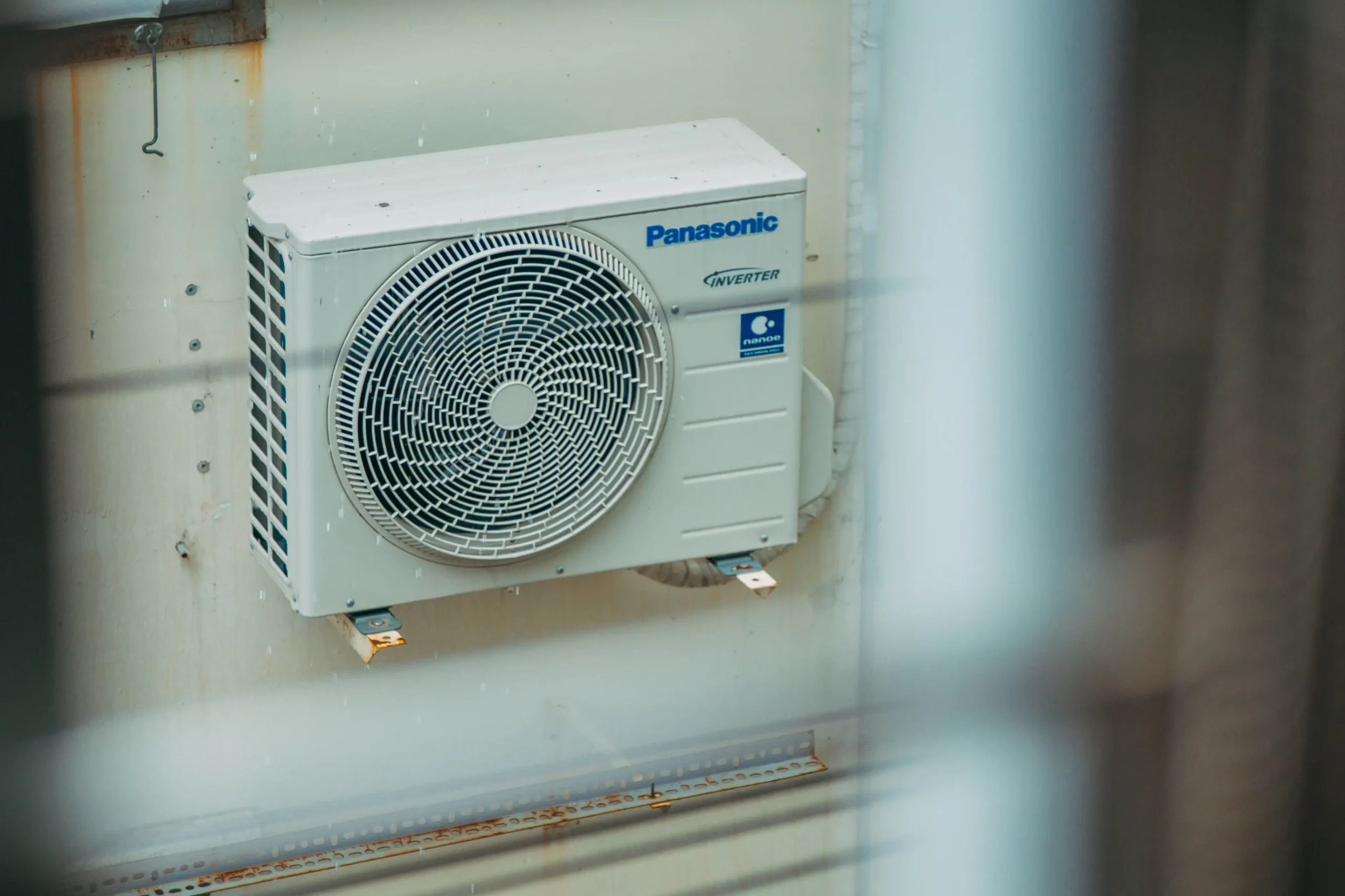
A long cooling cycle and a malfunction are not always the same thing.
If continuous operation is not the symptom you are seeing, compare all common symptoms in the HVAC Problems troubleshooting hub .
Texas air conditioners can face heavy cooling loads during very hot afternoons. Longer cycles under difficult outdoor conditions do not automatically mean the equipment has failed.
The more important question is whether the system can eventually maintain the indoor setpoint. If it runs almost continuously while the home stays too warm, compare the symptoms with our AC not cooling guide .
If the AC repeatedly starts and stops after very short cycles instead of running for long periods, that is a different symptom. Use the AC short cycling guide .
Is it the fan, the outdoor unit or the entire cooling cycle?
Check whether the thermostat fan setting is ON rather than AUTO. On many systems, ON keeps the blower operating even when there is no active call for cooling.
Heavy cooling load can create long cycles, but poor heat transfer, refrigerant issues, airflow problems or system capacity can also contribute.
This points more strongly toward a cooling-performance or building-load issue than a simple fan-control setting.
Why might an air conditioner keep running without shutting off?
Multiple conditions can increase cooling runtime. The pattern of airflow, temperature change and equipment operation matters more than runtime alone.
High Outdoor Heat Load
Extremely hot outdoor conditions increase the amount of heat the AC must remove. Long cycles can occur during peak conditions, especially when indoor and outdoor temperatures are far apart.
Thermostat Setting or Location
A very low setpoint, inaccurate thermostat reading or heat source near the thermostat can extend cooling operation. If the controls seem unreliable, review the thermostat not working guide .
Dirty Air Filter or Poor Airflow
Restricted airflow can reduce cooling performance and efficiency. If you are unsure how often your filter may need attention, use the HVAC filter change calculator .
Dirty Evaporator or Condenser Coil
Dirty coils reduce the system's ability to transfer heat. ENERGY STAR notes that dirty coils can cause an AC to run longer while increasing energy use.
Refrigerant Problem
Improper refrigerant charge can reduce cooling efficiency and capacity, forcing longer operation. If leakage is suspected, review refrigerant leak detection .
Duct Leakage
Leaking ducts can lose conditioned air into attics, garages or other unconditioned spaces. That increases the amount of cooling the equipment must provide. Review the broader HVAC ductwork guide .
Cooling Capacity Does Not Match the Home
Equipment should be sized using the home's actual cooling load, including insulation, windows, air leakage, solar exposure and ducts. Use our HVAC size calculator only as a preliminary planning tool, not a replacement for a professional load calculation.
Building Heat Gain or Air Leakage
Poor insulation, strong solar gain, leaking windows, exterior air infiltration and other building conditions can continually add heat faster than expected.
What can you check before assuming the AC needs major repair?
Check controls and airflow
- Confirm the thermostat fan setting is not unintentionally set to ON.
- Compare the thermostat setpoint with the actual room temperature.
- Check whether the filter is visibly dirty or heavily restricted.
- Confirm supply and return vents are not obviously blocked.
- Note whether airflow feels weaker than usual.
Watch how the system behaves
- Note whether the indoor temperature is gradually falling.
- Observe whether the outdoor unit operates normally.
- Look for visible ice around accessible refrigerant lines.
- Listen for unusual noises or repeated control clicks.
- Compare the runtime with recent outdoor temperatures and previous AC behavior.
The thermostat's fan setting can keep the indoor blower running between cooling cycles. Before assuming the compressor is running nonstop, determine which part of the system is actually operating.
Long AC runtime can show up on the electric bill.
Cooling equipment consumes electricity while operating, so a meaningful increase in runtime can increase energy use. If the bill has changed sharply, review our HVAC high electric bill troubleshooting guide .
If the system cannot reach the setpoint, diagnosis comes next.
Use the AC repair cost calculator to compare preliminary cost ranges by repair category.
Continue to the Texas AC repair cost guide for broader pricing factors.
Review what typically falls under AC repair service when basic checks do not explain the long runtime.
Airflow, coils, refrigerant, ducts and thermostat conditions can all affect runtime.
ENERGY STAR Maintenance Checklist
ENERGY STAR notes that dirty coils reduce cooling ability and cause systems to run longer. It also recommends checking refrigerant, blower airflow, filters and controls. View the maintenance checklist .
ENERGY STAR Quality Installation
ENERGY STAR emphasizes proper equipment sizing, airflow, refrigerant charge and duct performance for comfort and energy efficiency. Review HVAC quality installation .
U.S. Department of Energy
DOE notes that heat-producing objects near a thermostat can make an air conditioner run longer and that routine maintenance and air sealing affect cooling performance. Review DOE summer cooling guidance .
AC still running almost nonstop?
Request HVAC help and provide your Texas city or ZIP, thermostat setting, indoor temperature and whether the system is actually reaching the setpoint.