Refrigerant Recharge Cost and Leak Pricing
Refrigerant recharge cost depends on refrigerant type, quantity required, system size, diagnostic work and whether a leak must be located and repaired first. A residential AC should not routinely consume refrigerant, so repeated recharging without understanding why charge is low can leave the underlying problem unresolved.
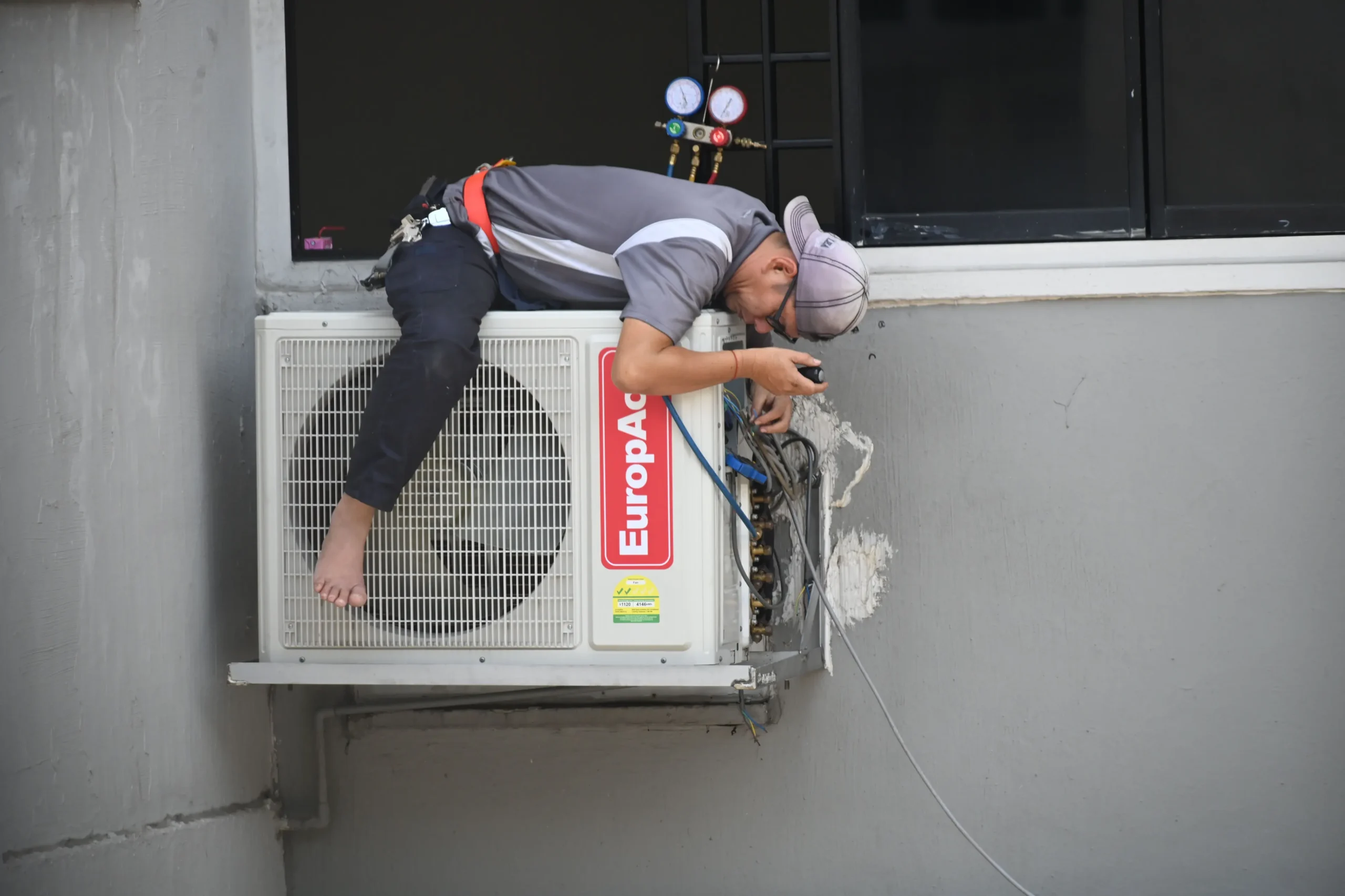
How much can an AC refrigerant recharge cost?
This page is part of the HVAC Costs hub covering Texas HVAC repair and system expenses.
Angi's July 2026 guide puts a typical AC recharge around $200 to $500, with an average near $300. HomeGuide's current R-410A research lists about $50 to $100 per pound installed and total recharge pricing around $175 to $550 depending on quantity and service scope.
Older R-22 systems can cost more because new production of R-22 ended years ago and remaining supplies are limited. The correct refrigerant for any AC should be verified from the equipment nameplate.
If the problem is suspected leakage rather than simply low charge, review refrigerant leak detection and broader Texas AC repair costs.
Published residential refrigerant cost ranges.
Angi's current 2026 residential recharge benchmark.
HomeGuide's June 2026 installed-per-pound benchmark.
Current HomeGuide benchmark for legacy R-22 systems.
Dirty filters, airflow restrictions, electrical failures, frozen coils and control problems can also reduce cooling. Start with the AC not cooling guide if the cause is not known.
What can make refrigerant service more expensive?
Refrigerant type
Different AC generations use different refrigerants. Never assume refrigerant type based only on equipment age.
Amount of charge required
A small correction and a near-empty system involve different quantities and may point to different underlying problems.
Leak detection
Finding a difficult leak can add diagnostic time before refrigerant is added.
Leak repair
Recharging and repairing the cause are separate cost components when a system is leaking.
Major refrigeration repair
Coil or compressor problems can move costs well beyond a simple recharge. Compare AC compressor replacement costs when major components are involved.
System replacement economics
Expensive refrigerant-related work on an aging system can justify comparing AC replacement cost in Texas.
Refrigerant handling is regulated work.
Section 608 certification
EPA requires technicians who service equipment in ways that may release refrigerants to hold appropriate Section 608 certification.
Refrigerant venting
EPA rules prohibit intentional venting of regulated refrigerants and substitutes during AC service.
Check the nameplate
EPA homeowner guidance says the refrigerant used by a central AC is typically listed on the outdoor unit's nameplate.
Compare repair alternatives
For an expensive refrigerant repair on an older system, use the repair vs replace calculator.
Current pricing and regulatory references.
Angi 2026 Recharge Cost
Angi reports a typical AC recharge around $200 to $500. Review Angi.
HomeGuide Refrigerant Cost
HomeGuide publishes current refrigerant-per-pound and recharge benchmarks. Review HomeGuide.
EPA Section 608
EPA regulates refrigerant handling, certification and service practices. Review Section 608.
EPA Homeowner Guidance
EPA recommends using appropriately certified technicians and checking the system nameplate for refrigerant type. Review EPA guidance.
Suspect low refrigerant or an AC leak?
Request HVAC help and provide your Texas city or ZIP, system symptoms and any refrigerant or leak diagnosis you have already received.
Common questions about AC refrigerant costs.
How much does an AC refrigerant recharge cost?
Angi's current 2026 benchmark is around $200 to $500 for a typical residential recharge, though refrigerant type and quantity can change the total.
How much does refrigerant cost per pound?
Current installed pricing varies by refrigerant. HomeGuide lists roughly $50 to $100 per pound for R-410A and higher pricing for legacy R-22.
Does an AC normally use up refrigerant?
No. A sealed system should not routinely consume refrigerant. Low charge can indicate leakage or another service issue.
Should a refrigerant leak be repaired before recharging?
The underlying cause of low charge should be diagnosed rather than repeatedly adding refrigerant without understanding why the system is losing charge.
Who can handle AC refrigerant?
EPA Section 608 certification requirements apply to technicians performing work that can release refrigerant.
How do I know what refrigerant my AC uses?
The refrigerant is generally listed on the equipment nameplate, often on the outdoor condenser.
Return to the HVAC Costs hub for repair, maintenance, compressor, replacement, ductwork and heat-pump costs.