Heat Pump vs AC in Texas
Heat pump vs AC in Texas is a close comparison during cooling season because both use refrigeration to move heat from indoors to outdoors. The major functional difference is that a heat pump can reverse operation to provide heating, while a conventional central AC provides cooling only.
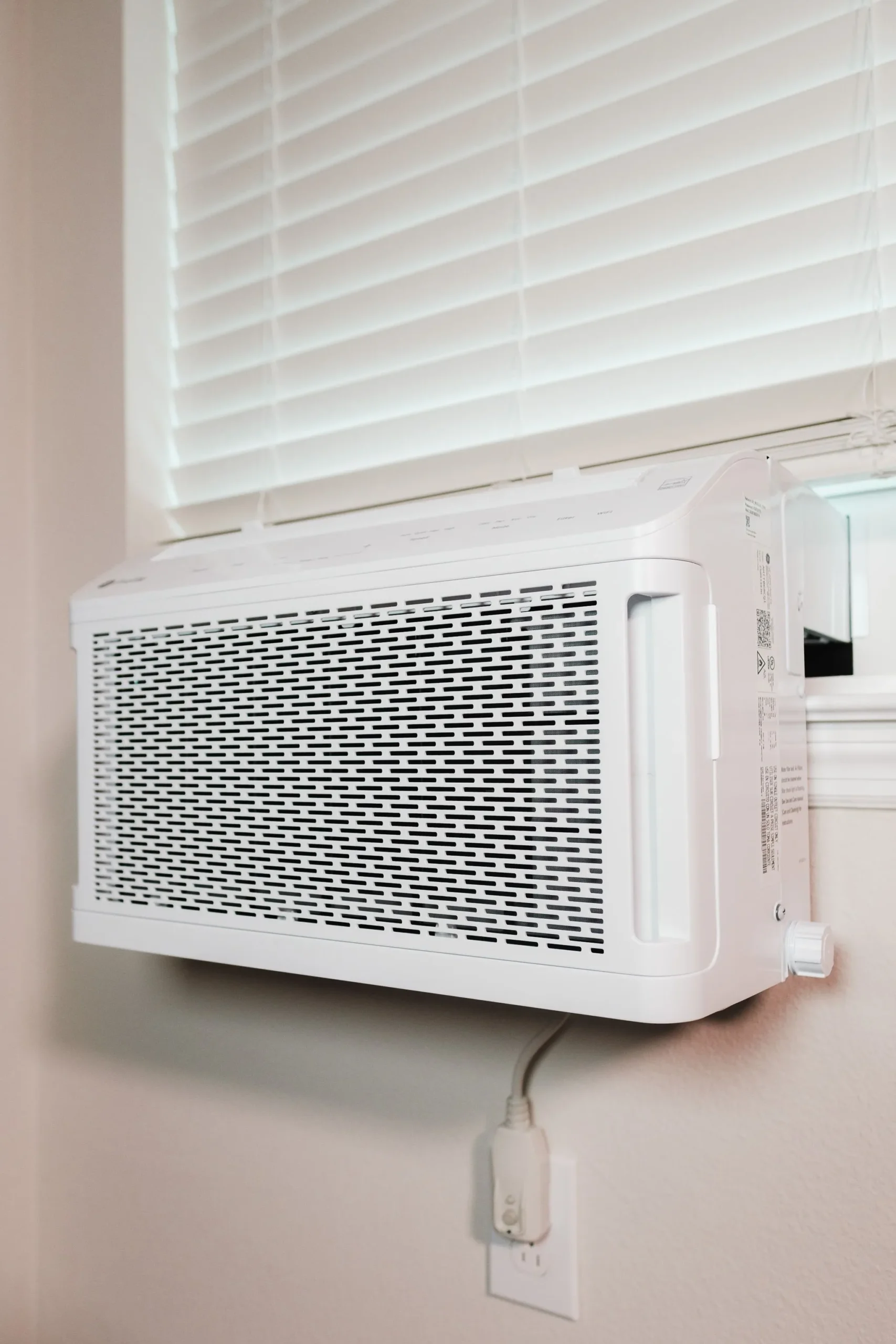
A heat pump is both cooling and heating equipment.
This comparison is part of the HVAC Guides hub.
Central AC
Moves indoor heat outdoors during cooling season. Heating requires separate equipment such as a furnace or another heat source.
Heat pump
Uses a reversible refrigeration cycle so it can cool the home in summer and move heat indoors during heating operation.
Heat pump vs conventional air conditioner.
| Factor | Heat Pump | Central AC |
|---|---|---|
| Summer cooling | Yes | Yes |
| Space heating | Yes | No |
| Primary operation | Reversible refrigeration cycle | Cooling refrigeration cycle |
| Efficiency metric | SEER2 cooling + HSPF2 heating | SEER2 cooling |
| Heating companion | May operate alone or in dual-fuel setup | Requires separate heating system |
Compare the whole system, not only the outdoor unit.
Heat pump installation
Review the heat pump cost in Texas guide.
Conventional AC replacement
Compare the AC replacement cost in Texas guide.
Heat pump operating cost
Use the heat pump running cost calculator.
AC electricity use
Use the AC electricity cost calculator.
Efficiency ratings
Compare cooling ratings with the SEER2 savings calculator.
Heating alternative
Compare the heat pump vs furnace Texas guide.
If additional upfront cost is part of the decision, use the HVAC payback calculator or browse all HVAC tools.
How heat pumps and AC systems operate.
DOE Heat Pump Systems
DOE explains reversible heating and cooling operation. Review DOE.
ENERGY STAR Air-Source Heat Pumps
ENERGY STAR describes a ducted heat pump as similar to a central AC that also operates in reverse for heating. Review ENERGY STAR.
SEER2 Criteria
ENERGY STAR publishes current heat-pump SEER2, EER2 and HSPF2 criteria. Review criteria.
Quality Installation
Sizing, airflow, ducts and refrigerant charge affect either system. Review guidance.
Comparing a heat pump with conventional AC?
Request HVAC help and provide your Texas city or ZIP and existing heating and cooling equipment.
Common system-comparison questions.
Does a heat pump cool like an AC?
Yes. During cooling operation, both use refrigeration to transfer indoor heat outside.
What does a heat pump do that an AC does not?
A heat pump reverses operation to provide space heating.
Do both use SEER2?
Yes for cooling efficiency. Heat pumps also have heating-efficiency metrics such as HSPF2.
Is a heat pump always cheaper to operate?
No. Operating cost depends on efficiency, energy prices, weather and system use.
Can a heat pump work with a furnace?
Yes, compatible dual-fuel systems combine a heat pump and furnace.
How do I compare costs?
Use the cost calculators linked above with your own electricity and system assumptions.
Return to the HVAC Guides hub.