What Is Wrong With Your HVAC System?
Start with the symptom you can actually see, hear or feel. Explore common AC and HVAC problems including no cooling, warm air, freezing, water leaks, short cycling, weak airflow, thermostat failures and unusually high electric bills.
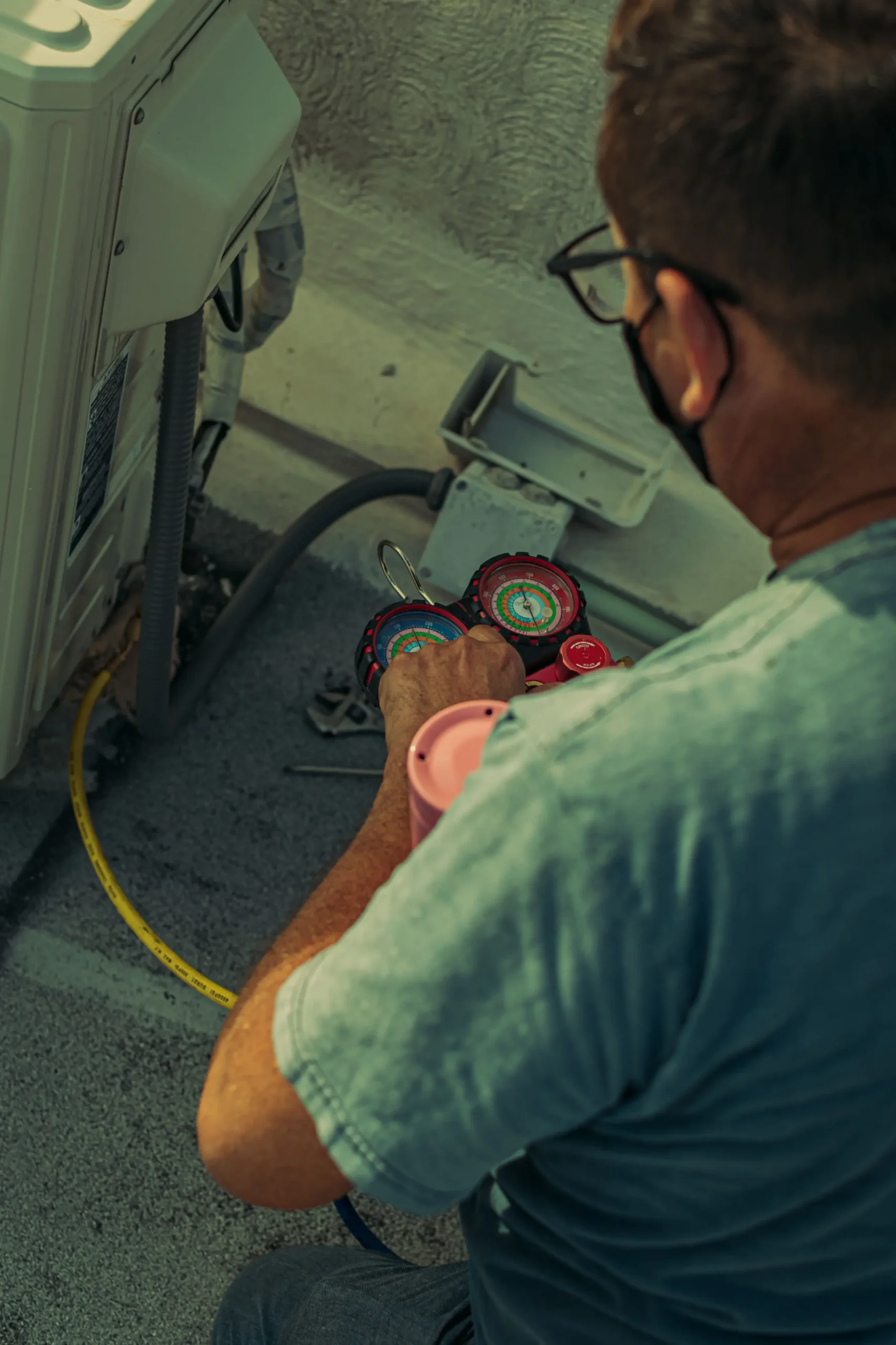
Narrow the problem before jumping to a repair.
Many HVAC symptoms overlap. A system that is not cooling, for example, can involve airflow, refrigerant, thermostat, electrical or equipment problems. These guides help you narrow the issue before moving into repair costs or service.
Start with the AC not cooling troubleshooting guide .
Check common causes of weak airflow from HVAC vents .
Review the thermostat not working guide .
Investigate common causes of an HVAC high electric bill .
Choose the symptom that best matches your system.
Browse all twelve HVAC problem guides or filter the directory by cooling, airflow, controls, water, noise or energy use.
AC Not Cooling
The system runs, but indoor temperature is not dropping as expected.
Troubleshoot AC not cooling →AC Blowing Warm Air
Supply vents are moving air, but the air feels warm or noticeably less cool.
Diagnose warm AC air →AC Not Turning On
The thermostat calls for cooling but the indoor or outdoor equipment does not start.
Troubleshoot AC startup →AC Keeps Running
The air conditioner runs for unusually long periods or rarely seems to shut off.
Check continuous AC operation →AC Freezing Up
Ice appears on refrigerant lines, the evaporator area or other cooling components.
Diagnose AC freezing →AC Leaking Water
Water is collecting near the indoor unit, drain pan or condensate line.
Diagnose AC water leaks →AC Making Noise
Buzzing, rattling, grinding, clicking or other unusual sounds appear during operation.
Identify AC noises →AC Smells Bad
Musty, burning or other unusual odors are noticeable when the HVAC system runs.
Investigate HVAC odors →AC Short Cycling
The system repeatedly starts and stops without completing a normal cooling cycle.
Diagnose AC short cycling →Thermostat Not Working
The thermostat is blank, unresponsive, inaccurate or not properly controlling the HVAC system.
Troubleshoot thermostat problems →Weak Airflow From Vents
Supply air feels weak in one room, several rooms or throughout the home.
Diagnose weak HVAC airflow →HVAC High Electric Bill
Cooling or heating energy use has increased without an obvious change in comfort or usage.
Investigate HVAC energy use →A few basic checks can narrow many HVAC symptoms.
These are simple observations, not repair instructions. If you are uncomfortable inspecting the system or the problem appears electrical, refrigerant-related or unsafe, stop and request HVAC help.
Basic things to check first
- Confirm the thermostat is set to the intended mode and temperature.
- Check whether the HVAC filter is heavily loaded with dust or debris.
- Confirm supply and return vents are not obviously blocked.
- Note whether both the indoor and outdoor equipment are operating.
- Look for visible ice, water, unusual vibration or repeated cycling.
- Compare recent HVAC behavior with changes in weather, occupancy or thermostat settings.
Smoke, visible electrical arcing, strong burning odors, suspected gas leaks or other immediate hazards should not be treated as normal DIY HVAC troubleshooting. Leave the affected area when appropriate and contact the relevant emergency, utility or qualified service provider.
Need a cost estimate next?
Once you have narrowed the likely problem, compare possible expenses using the AC repair cost calculator or browse our Texas HVAC cost guides .
If the system is older and repair costs are adding up, the HVAC repair vs replace calculator can help compare the two scenarios.
Continue from troubleshooting into costs, tools or service information.
The HVAC Problems hub is the starting point. Once the symptom is clearer, move into the resource that matches the next decision you need to make.
Compare common Texas repair and replacement expenses in the HVAC cost guide hub .
Use our 28 free HVAC calculators and tools for repair costs, energy use, sizing, airflow and equipment comparisons.
Explore the HVAC services hub when you are ready to understand repair, maintenance, installation or replacement options.
Still not sure what is wrong?
Provide your Texas city or ZIP code, the type of HVAC help you need and your contact information. Use the form below if the symptom does not clearly match one of the troubleshooting guides.